
Reviewing Mood Machine, Part 1
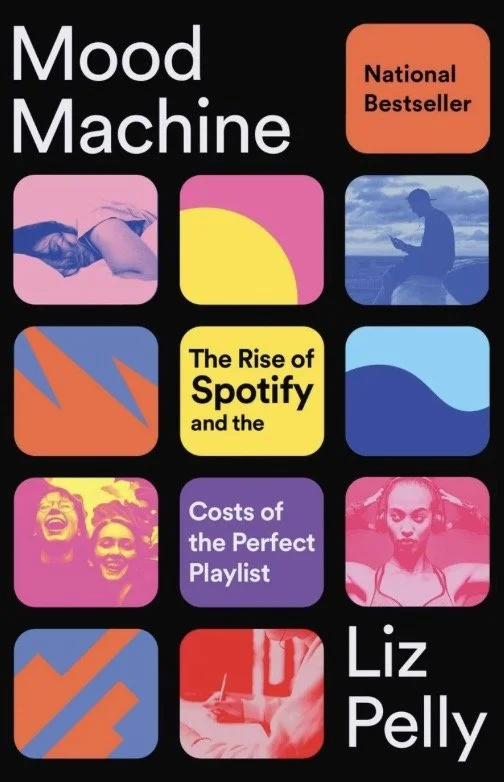
Mood Machine: The Rise of Spotify and the Costs of the Perfect Playlist is a thoroughly researched and thoughtfully presented history of the effects digital technologies have had on our ability to experience human-made arts and culture.
It’s a must-read for anyone who loves music, and highly recommended!
Instead of a traditional review of this book, I’m pulling notable quotes from each chapter and letting them speak for themselves.
You can buy Mood Machine here (not an affiliate link).
Introduction
This chapter highlights author Liz Pelly’s introduction to the Indie/DIY music scene, starting with a job working as a music journalist and continuing with working additional side jobs at local DIY music spaces in Brooklyn, New York.
It also summarizes the central thesis of the book: that the interaction of digital technologies with arts and culture has been fraught with both unintended consequences, and intended consequences driven by entrenched interests who are currently rewriting the history of their own rise to power.
“In her 2014 book The People’s Platform, the writer and filmmaker Astra Taylor challenged the idea that the so-called digital revolution had democratized culture…she warned that the same problems of consolidation, centralization, and commercialism that defined our old media systems would continue to shape the digital world without a serious reckoning.”
“Networked technologies do not resolve the contradictions between art and commerce…but rather make commercialism less visible and more pervasive.”
“…the very concept of music streaming was designed for the benefit of popular, major label music. But independent musicians have also been expected to conform to its one-size-fits-all model….this is also part of the flattening that has occurred: the flattening of the winner-take-all pop star world and the working artists of the independent world. Flattening might really just be another way of thinking about media consolidation.”
You can buy Mood Machine here.