
Reviewing Mood Machine, Part 5
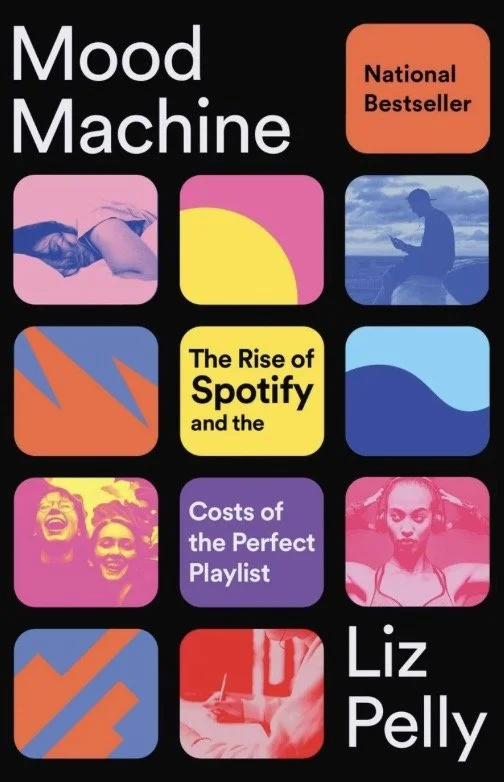
Mood Machine: The Rise of Spotify and the Costs of the Perfect Playlist is a thoroughly researched and thoughtfully presented history of the effects digital technologies have had on our ability to experience human-made arts and culture.
It’s a must-read for anyone who loves music, and highly recommended!
Instead of a traditional review of this book, I’m pulling notable quotes from each chapter and letting them speak for themselves.
Chapter 5: Ghost Artists for Hire
2015 was a huge year for the major music labels. After years of stagnating profits, they’d hit upon a new revenue stream: payouts from Spotify, who paid them 70% of its own revenue to license their music catalogs for inclusion on the streaming platform. Spotify’s now millions of paid subscribers were generating billions of dollars in revenue, but Spotify itself was not yet profitable.
There were several approaches the company could take to become profitable:
raising prices.
cutting costs.
attracting new subscribers.
Spotify itself had championed a passive listening experience on its platform, one where users were often blissfully unaware of which artists they were actually listening to, so long as they had an endless supply of clickable content to soundtrack their day quickly and easily. In Spotify’s quest to become profitable, a natural extension of that passive listening experience was to replace expensive original music with cheaper, stock music licensed from the major music labels on special, reduced royalty terms.
Perfect Fit Content: Muzak, modernized
Inside Spotify this program was called “perfect fit content”, or PFC. The official definition for PFC material was “music commissioned to fit a certain playlist/mood with improved margins". Externally, journalists spoke of this music as being made by “fake artists” and “ghost labels”, and for some listeners this appeared to be turning formerly carefully curated playlists of original music into slop-filled content farms filled with mostly stock music.
For musicians, we’d seen all this before: back in the 1980s/90s with Muzak, LLC commissioning boring, stock music (made by real musicians) meant to be played inside of offices and elevators. To us, the PFC program was just Muzak on a whole new scale, enabled and expanded by new distribution technology.
“…there were often fabricated monikers involved, but the musicians were real. The ghost labels that hired them were real. The direct licensing deals between those ghost labels and the streaming services were real…”
“This was not just a laundry list of faceless scam artists trying to game the system, or a series of bad actors operating in isolation. This was a program created by Spotify, involving a web of individuals and organizations complicit in their scheme for cheap content: production companies, background-music licensing firms, record labels. And an endless flow of musicians with no better prospects than to create it for them.”