
Easy vocal recording with just one mic, Part 2
In this short series, I’m going over some tips for getting better sounding vocal recordings. We’ll keep it simple, intuitive, and optimized for the home setting.
In Part 1 we discussed vocalist preparation and microphone placement. Today, we’re talking gear.
Choose your microphone
For vocal recording at home, you don’t need a very expensive pro studio microphone, and certainly not right away when you’re just getting started. A $1,000+ pro studio large diaphragm condenser mic isn’t designed to be used in a noisy home recording environment, so attempting this can result in noisy, unflattering recordings.
When it comes to vocal microphones, price is never the sole indicator of quality, and there are many great performers at all price points.
Two of my favorite lower budget vocal condenser mics are the Audio-Technica 2020 ($119) and the Aston Microphones Spirit ($379). Prices are current as of time of writing.
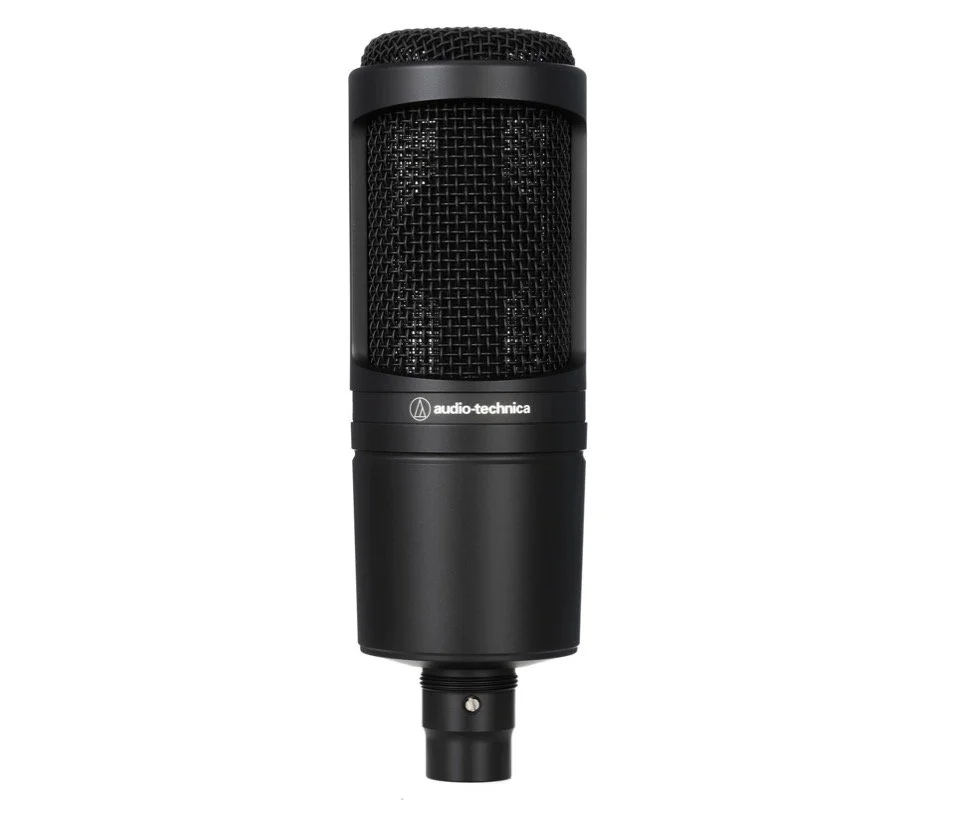
The Audio Technica AT2020 condenser microphone.
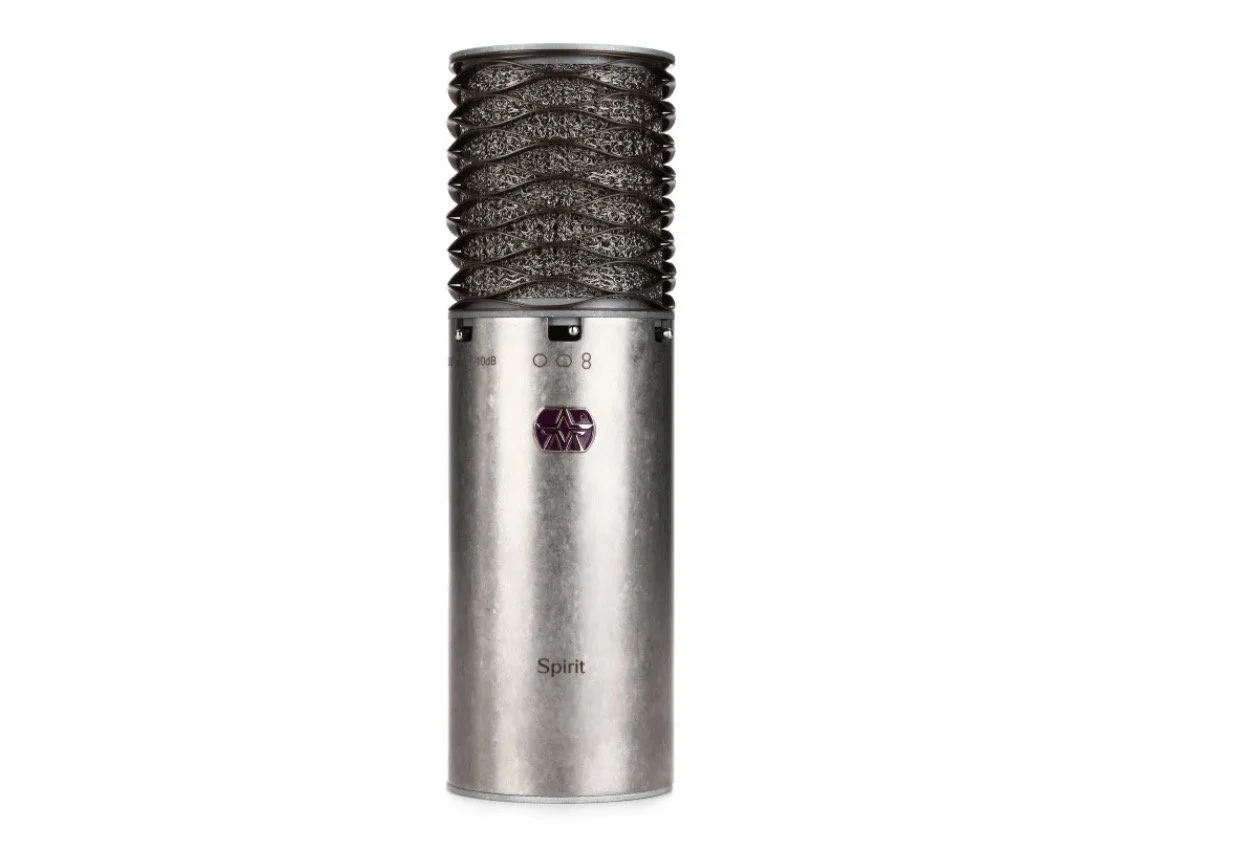
The Aston Microphones Spirit condenser microphone.
Assuming you’ve got your recording space set up correctly acoustically, either of these microphones would be strong choices for the home setting. Sometimes, “setting up your room correctly acoustically” means simply placing one thick acoustic panel right behind you during recording; it doesn’t have to be complicated.
Use a pop filter
A pop filter sits in front of your microphone and helps minimize air from ‘plosive syllables hitting the mic during recording. Pop filters are cheap and effective, get one and use it!
The classic recording studio pop filter, or placing a simple foam windscreen over your microphone can both work well.
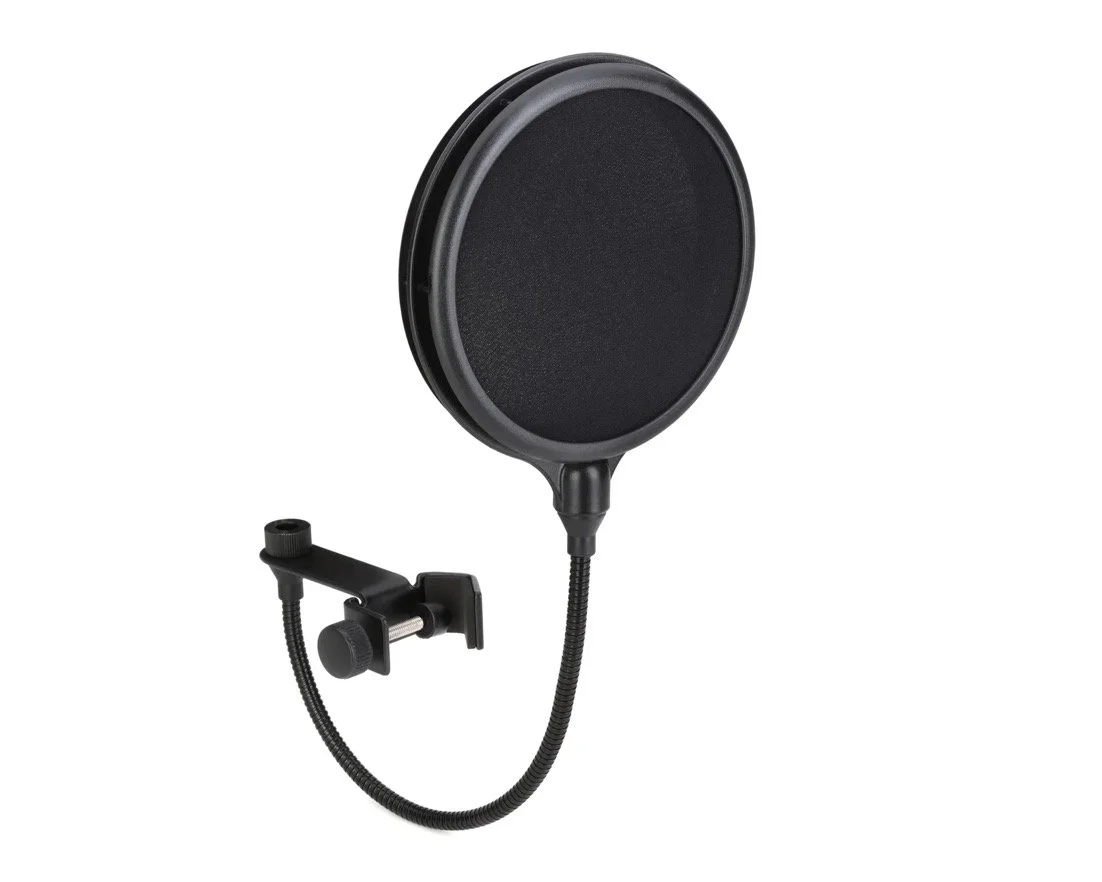
A studio pop filter.
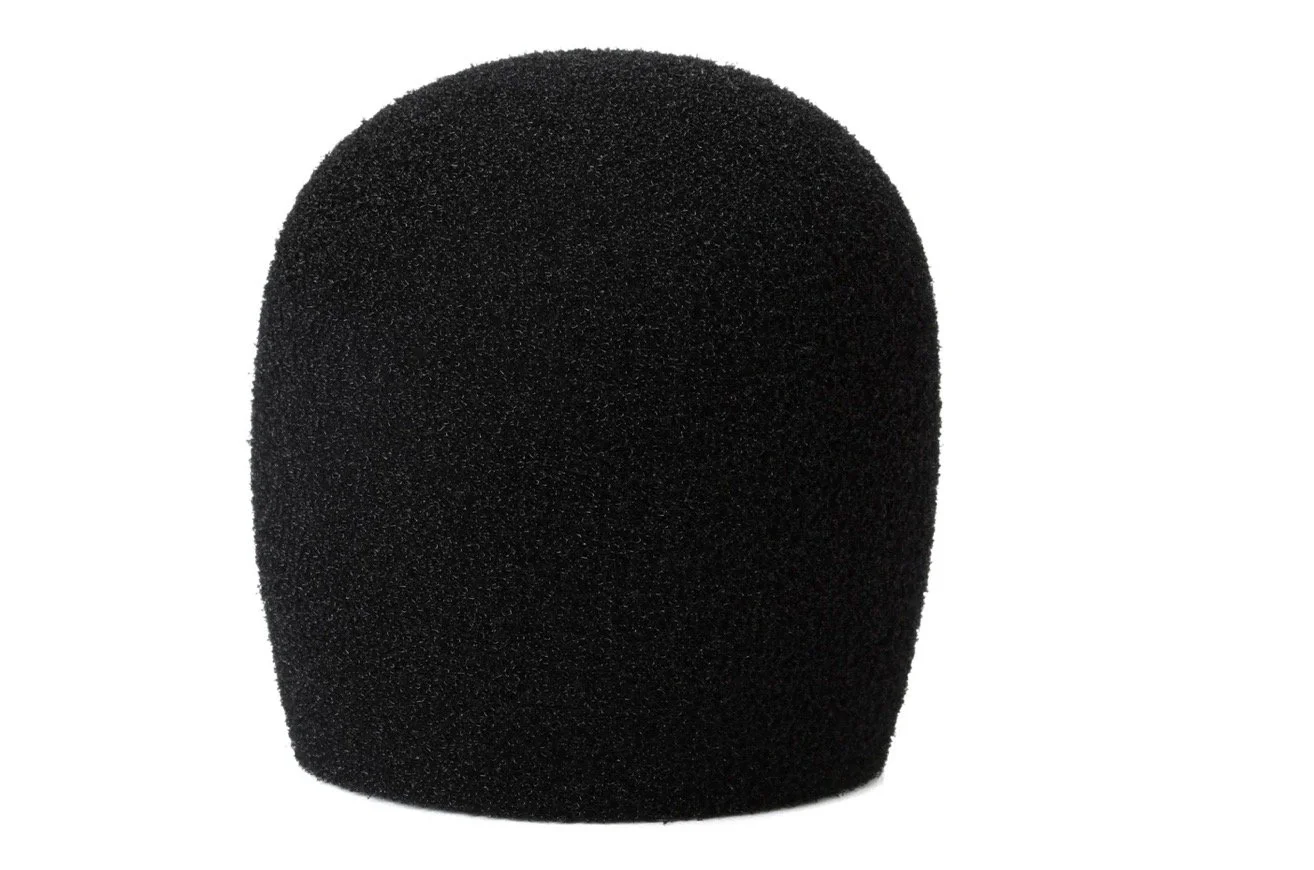
A foam windscreen.
The prices for this gear range from about $14-$25 at time of writing, so pop filters and foam windscreens are great bangs for the buck in the home studio.
In part three of this series, we’ll go over some postproduction techniques for taking your recorded vocals to the next level.