
Reviewing Mood Machine, Part 4
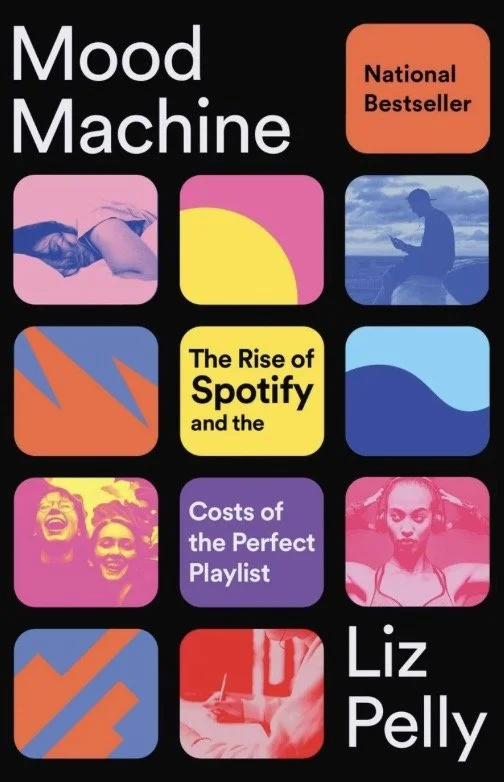
Mood Machine: The Rise of Spotify and the Costs of the Perfect Playlist is a thoroughly researched and thoughtfully presented history of the effects digital technologies have had on our ability to experience human-made arts and culture.
It’s a must-read for anyone who loves music, and highly recommended!
Instead of a traditional review of this book, I’m pulling notable quotes from each chapter and letting them speak for themselves.
You can buy Mood Machine here (not an affiliate link).
Chapter 4: The conquest of chill
This chapter expands upon the previous chapter on playlisting, by examining “functional music” and the “lofi playlist” trends that became popular on Spotify in the early 2000s.
Functional music has been around for a long time, and describes any music that accompanies an activity: Muzak was a form of functional music, made for easy listening in elevators and corporate offices. Brian Eno’s “Music for Airports” was also functional music, done in a more forward thinking and artistic sense. However, combining functional music with a data-driven and faceless playlisting approach has had several (mostly negative) effects on our overall musical culture.
“…I kind of stopped caring about the algorithm and checking my Spotify for Artists page and just got to focus on making stuff that really made me happy, which was very, very fulfilling. I’m so, so glad I did that.”
“Monetization is shaped differently…It’s based on what gets repeat listens.”
“It’s not sustainable to put out challenging records. To be sustainable, you have to put out records that are going to get repeat listens in coffee shops.”
“Something unusual started happening with the lofi Spotify playlists after 2016. The second anonymous producer recalled watching, in real time, as musicians he knew were removed and replaced by stock music.”
“With so many different industry players trying to get in on the lofi gold rush, this much was becoming clear: the easy-listening paradigm that took over music in the streaming era wasn’t about delighting the user. It was about neither discovery nor democracy. It was about profit.”
You can buy Mood Machine here.