
The Book List (2025)
The Book List is my ongoing collection of music and arts-related reading. Here’s the top books recommended recently.
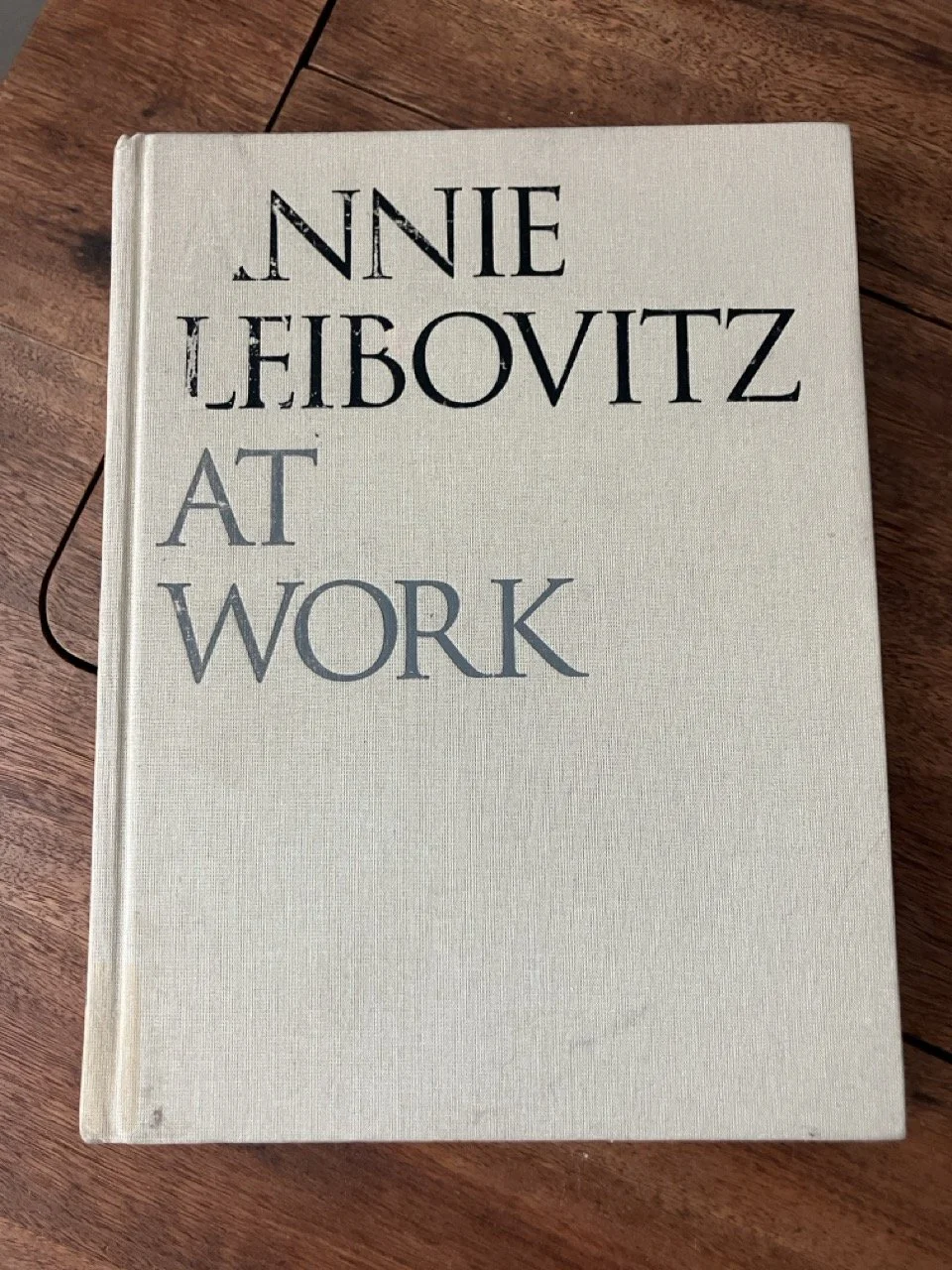
“Annie Liebovitz at Work” by Annie Liebovitz
Annie Liebovitz at Work is a self-penned career retrospective of the photographer and portraitist Annie Leibovitz, which includes many behind-the-scenes glimpses into her artistic process. It’s a fantastic source of inspiration for any artist (including musicians), because you get to see all the details of how the sausage was made across decades of some of the most influential portrait shoots out there. There’s a lot here that can be applied to your own artistic process, regardless of your creative medium.
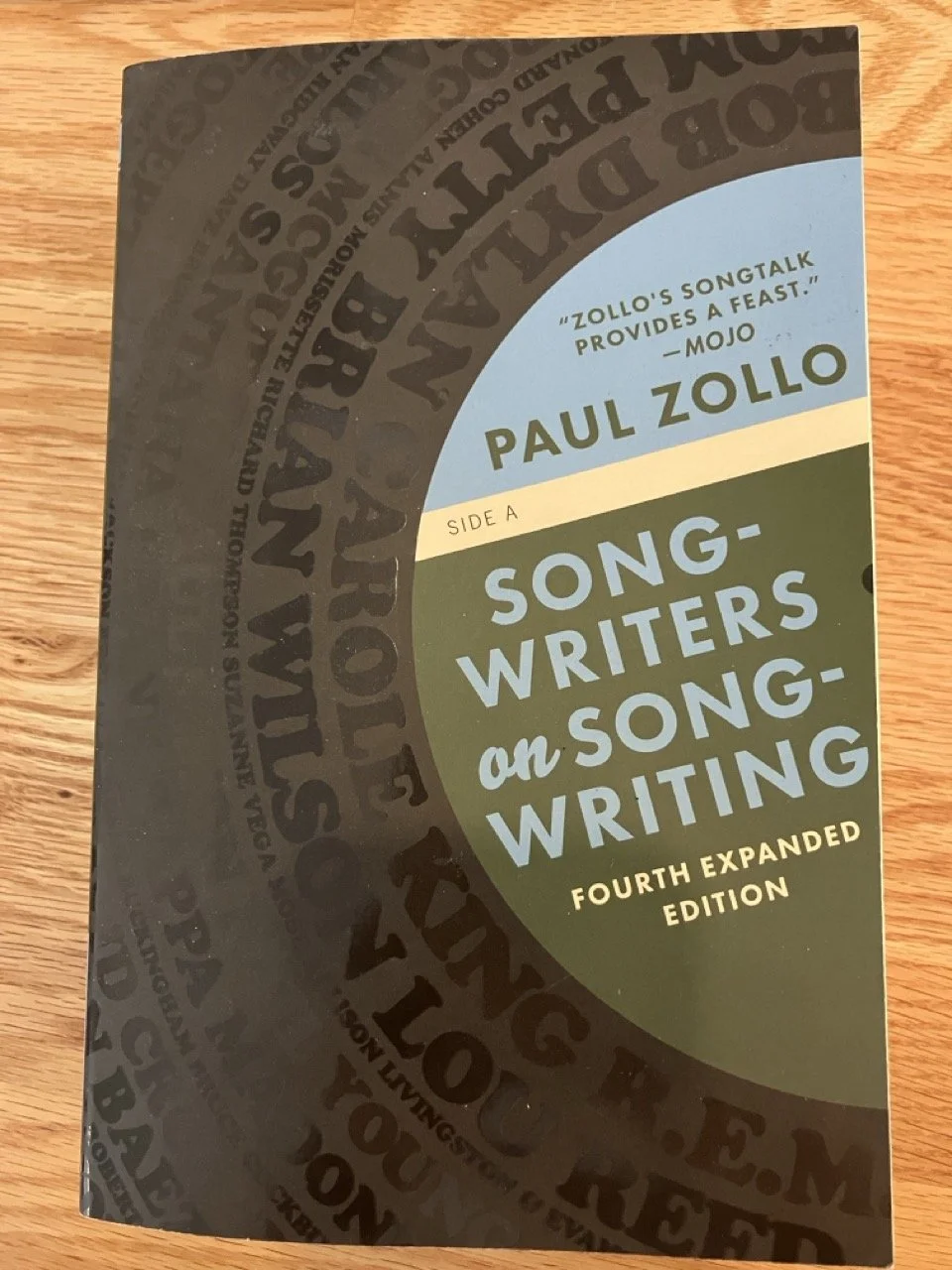
“Songwriters on Songwriting” by Paul Zollo
Songwriters on Songwriting contains over 50 intimate interviews with a who’s who of musical artists from the last century of recorded music; everyone from Paul Simon to Joan Baez and Madonna.
The interviews are all different, and some are more technical, while some are more conversational. All provide valuable insight into the minds and processes of the songwriting greats.
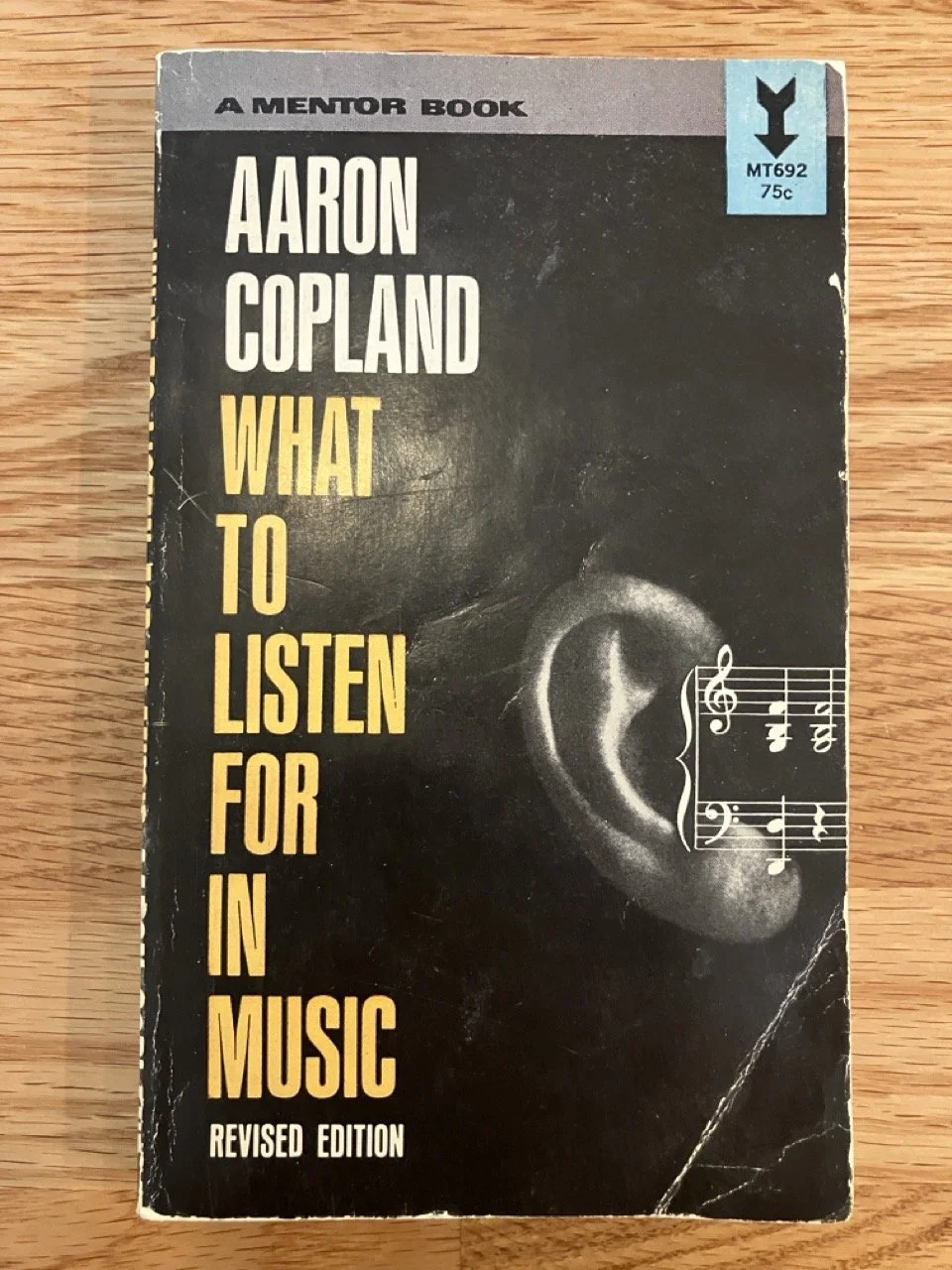
“What to Listen for in Music” by Aaron Copland
Primarily written as a book to help music consumers get more out of listening to music, Chapter 3 of What to Listen for in Music details the creative process of how music is made. Aaron Copland was one of the 20th century’s greatest classical composers, and the opportunity to see how he breaks down his creative composition process is something not to be missed.
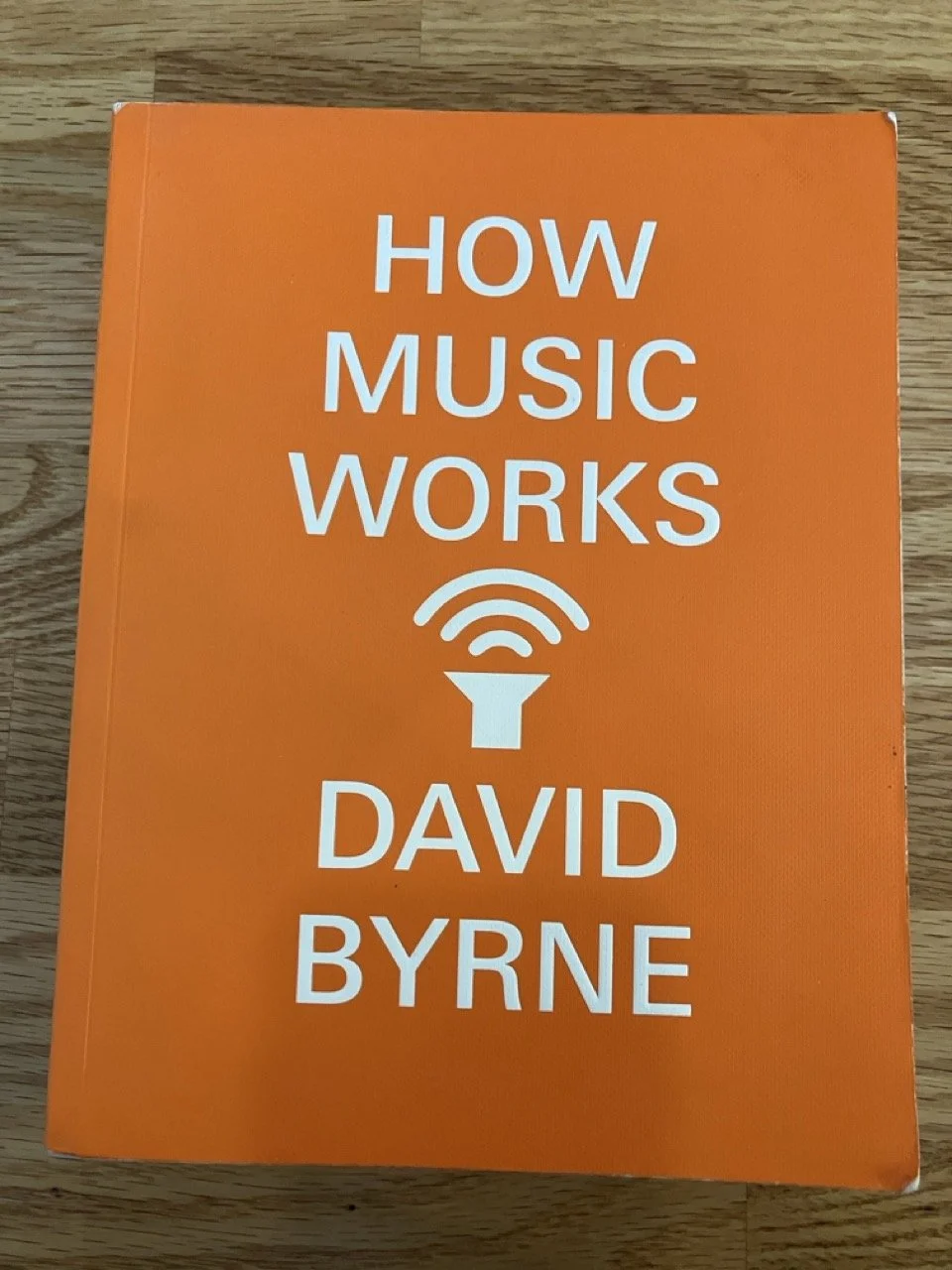
“How Music Works” by David Byrne
Part historical summary, part career retrospective, part auto-biography, part practical guide to the music industry, How Music Works by David Byrne is a very comprehensive snapshot showing the insides of the music industry post-1950. Of special note are Byrne’s behind-the-scenes memories of coming up in the NYC DIY art scene. The chapters Business and Finance, How to Make a Scene, and Amateurs! are especially relevant.